


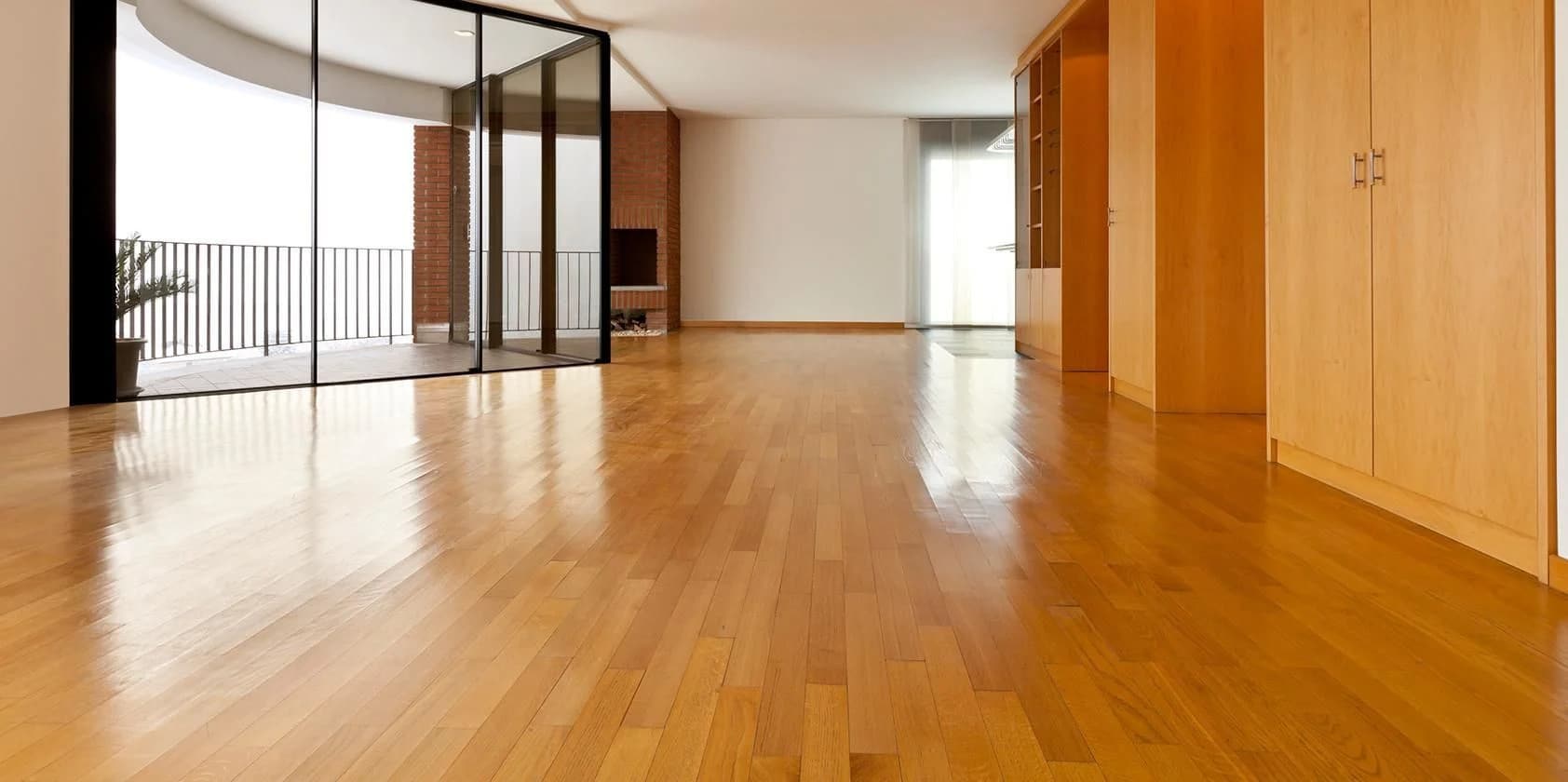
Hardwood floors can add warmth and character to a home, but over time, you may begin to notice squeaks or creaks when walking across certain areas. While an occasional sound does not always indicate a serious problem, persistent or widespread squeaking can be a sign that parts of the flooring system are moving against one another.
Hardwood floors can squeak for several reasons, including seasonal changes, loose floorboards, subfloor movement, installation issues, or the natural aging of the flooring. Understanding what is causing the noise is the first step toward determining whether hardwood floor repair may be necessary.
At Daniel Caffo Hardwood Flooring, we provide professional hardwood floor installation, repair, refinishing, and restoration throughout Southeastern Pennsylvania, including work with older and historic hardwood floors.
TL;DR: Why Do Hardwood Floors Squeak?
- Hardwood floors often squeak because parts of the flooring system are moving.
- Seasonal changes in temperature and humidity can cause wood to expand and contract.
- Loose floorboards or fasteners can contribute to squeaking.
- Movement in the subfloor may also create noise.
- Older hardwood floors may naturally develop squeaks as materials change over time.
- Professional evaluation can help identify the source and determine whether repairs are necessary.
What Causes Hardwood Floors to Squeak?
Squeaking usually occurs when two parts of the flooring system move or rub against each other.
This movement might occur between individual hardwood boards, between the hardwood and subfloor, or around nails and other fasteners. When pressure is applied by someone walking across the floor, these components may shift slightly and produce a squeak or creak.
Finding the exact source can sometimes be difficult because the area creating the sound may not be directly beneath where you step.
Can Changes in Humidity Make Hardwood Floors Squeak?
Wood is a natural material that responds to changes in moisture and humidity.
During more humid conditions, hardwood can absorb moisture and expand. When indoor air becomes drier, the wood may contract. These seasonal changes can create small gaps or additional movement between floorboards.
In Southeastern Pennsylvania, seasonal changes between humid summers and dry winters can make these effects more noticeable. Some squeaking may appear or become louder during certain times of the year as the flooring adjusts to changing indoor conditions.
Maintaining reasonably consistent indoor humidity can help limit excessive expansion and contraction.
Can Loose Floorboards Cause Squeaking?
Loose or moving boards are another common source of hardwood floor noise.
Over time, normal use, seasonal movement, aging fasteners, or other conditions can allow individual boards to move slightly when pressure is applied. That movement can cause the board to rub against another board, a fastener, or the material underneath it.
A professional hardwood flooring contractor can evaluate the affected area to determine whether boards are loose and whether they can be secured or repaired.
Why Do Older Hardwood Floors Squeak?
Older hardwood floors can develop character as they age, and occasional squeaking may be part of that process.
Decades of seasonal expansion and contraction, everyday foot traffic, settling, and changes within the home can contribute to movement within the flooring system. Fasteners and subfloor materials may also change over time.
This is particularly common in older and historic homes where original hardwood flooring may have been in place for generations.
Age alone does not mean the hardwood needs to be replaced. Many older floors can continue performing well and may be candidates for targeted repairs, refinishing, or restoration.
Does a Squeaky Hardwood Floor Need to Be Replaced?
Not necessarily.
A squeaking floor does not automatically mean that the hardwood has reached the end of its useful life. Depending on the cause, individual boards may be repaired or secured while preserving the surrounding flooring.
If squeaking is accompanied by excessive movement, significant gaps, damaged boards, moisture problems, or other noticeable changes, a more detailed evaluation may be appropriate.
For older floors, preserving existing material may be preferable to complete replacement when the hardwood remains in good condition.
Why Choose Daniel Caffo Hardwood Flooring?
Daniel Caffo Hardwood Flooring is a family-owned and operated hardwood flooring company serving Southeastern Pennsylvania. Since 1926, generations of our family have worked with hardwood floors, providing professional installation, refinishing, repair, and historical restoration.
Whether you are dealing with squeaking floorboards, damaged hardwood, worn finishes, or original flooring in an older home, our team can evaluate the condition of your floors and determine an appropriate approach for repair or restoration. Contact us today to get started.
Frequently Asked Questions
Are squeaky hardwood floors a serious problem?
Not always. Some hardwood floors develop occasional squeaks due to normal movement and seasonal changes. However, widespread squeaking, significant movement, moisture problems, or damaged boards may warrant professional evaluation.
Can squeaky hardwood floors be repaired?
In many cases, yes. The appropriate repair depends on whether the noise is caused by loose floorboards, fasteners, subfloor movement, seasonal changes, or another condition. Identifying the source of the squeak is an important first step.
Why do my hardwood floors squeak more during certain seasons?
Changes in indoor humidity can cause hardwood to expand and contract throughout the year. This movement can change the amount of space between boards and other flooring components, making squeaks more noticeable during certain seasons.


